
406 MW
Installed capacity · 2024
REG Strategic Plan 2024–2034. Historical capacity, not customer demand.
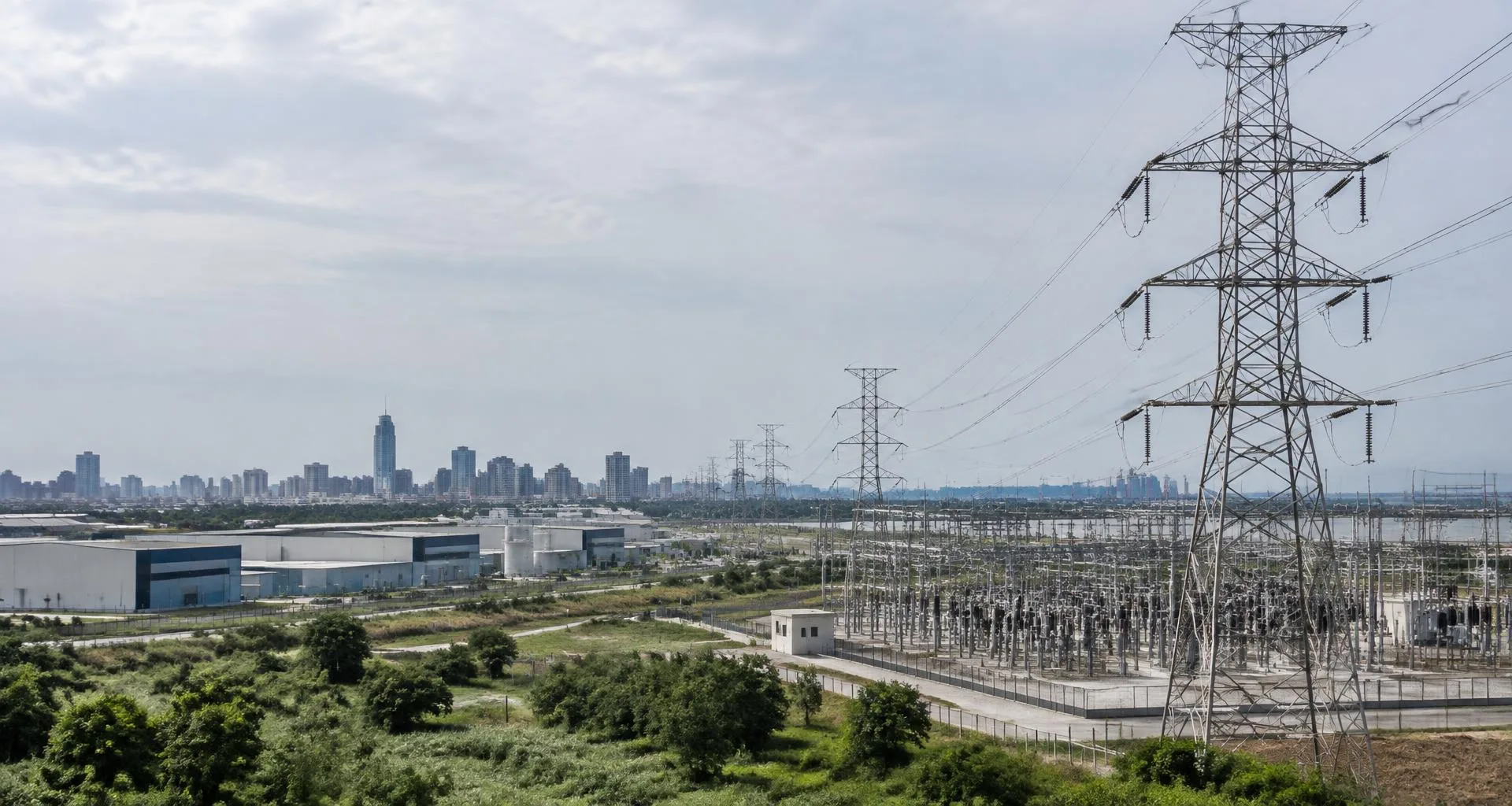
Rwanda's Electricity Future
Rwanda’s electricity plans bring together access, generation and investment decisions. Its national utility’s 2024–2034 plan provides a historical baseline; future requirements depend on demand, electrification and economic scenarios, not a single assured forecast.
The demand curve
REG’s 2024–2034 Strategic Plan reports growth in installed capacity and household electricity access. These dated indicators are not current live readings or projections of future consumption.
406 MW
Installed capacity · 2024
REG Strategic Plan 2024–2034. Historical capacity, not customer demand.
78.9%
Household access · 2024
REG’s reported share of households with electricity access; not a reliability measure.
Scenarios
Demand outlook
Future demand depends on assumptions about access, productive use and economic growth.
Access
Planning priority
Affordability and reliable service should be assessed alongside new connections.
Historical capacity
Historical installed capacity · REG Strategic Plan
Historical installed capacity · REG Strategic Plan
Historical capacity expansion reported by REG for 2017–2024. This is not a demand forecast or a projection to 2050.
A balanced generation portfolio
The following is Greenbomi’s analytical framework. Resource suitability, economics, environmental and social impacts, grid compatibility and delivery readiness need project-specific assessment.
Near-term assessment
Existing domestic-resource pathways merit assessment; being identified in policy does not make a project automatically financeable.
System development
Flexibility, affordability and regional trade can be considered alongside generation additions.
Long-term research
Nuclear and other firm-power technologies are research options, not recommendations or Greenbomi delivery services.
Why Rwanda matters
Demand growth, access, reliability and investment conditions differ across Africa. Rwanda’s historical progress offers context, not a template that every country should follow.
A country’s resource mix is only one part of the decision. Delivery, affordability and environmental and social requirements shape which opportunities are viable.
Tariffs, offtake and risk allocation need to balance consumer affordability with investment requirements. There is no single financing prescription for every power system.
Greenbomi’s contribution is engineering-led technical and commercial analysis, initially focused on Nigeria with a broader African outlook.
Continue the conversation
Sources
Capacity and household access use REG’s historical 2024 baseline. Portfolio choices are conditional Greenbomi analysis. Reviewed 27 October 2026.
Publication date not recorded · Historical evidence and conditional analysis
Rwanda Energy Group · 2024–2034 planning period · historical 2017–2024 baseline
Ministry of Infrastructure, Rwanda · February 2025